
By Jennifer Davis, MS., LPC
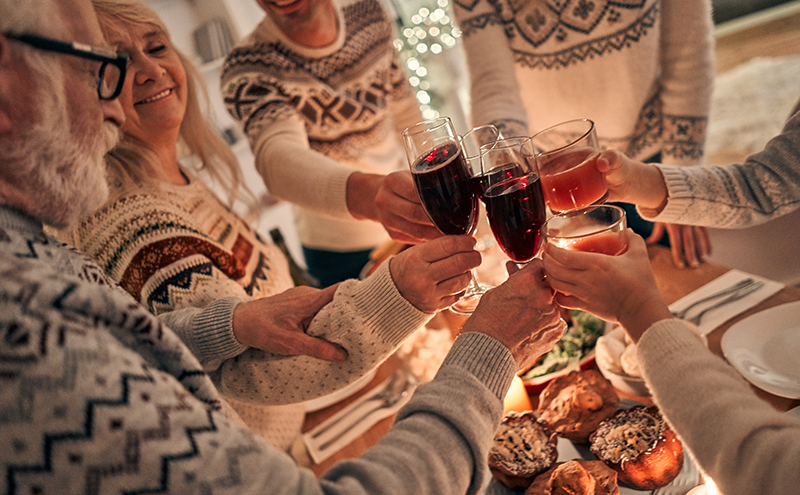
For many people, the holiday season is a mix of joy and strain. Festive gatherings, traditions, and celebrations often coexist with emotional stress, financial pressure, complicated family dynamics, grief, loneliness, or burnout. Alcohol is frequently woven into holiday rituals — a glass of wine at dinner, cocktails at parties, champagne to mark special moments. For some, drinking is simply a celebratory addition. For others, it becomes a way to cope with stress or emotional discomfort.
Understanding the difference between drinking to celebrate and drinking to cope is essential — especially when it comes to mental health. While alcohol may offer temporary relief or social ease, it can quietly intensify anxiety, depression, and stress when used as an emotional regulator. This blog explores why holiday drinking is so common, how alcohol interacts with mental health, how to recognize when drinking becomes a problem, and how to approach the season more mindfully.
Why Alcohol Is So Common During the Holidays
Alcohol’s presence during the holidays is deeply cultural. In many families and social groups, drinking symbolizes relaxation, connection, and reward. The end of the year often marks a pause in routine — time off work, reunions with loved ones, and celebrations of milestones — all of which traditionally include alcohol.
But holidays are also one of the most emotionally charged times of the year. People may feel pressure to be joyful even when they’re exhausted or struggling. Stressors commonly increase during this season, including:
- Financial strain from gifts, travel, and events
- Family conflict or unresolved relationship dynamics
- Loneliness or isolation
- Seasonal depression or reduced sunlight
- Grief over loss or absence
- Increased social expectations
Alcohol becomes appealing because it promises quick relief — it can temporarily relax the nervous system, reduce inhibitions, and dull emotional discomfort. According to the National Institute on Alcohol Abuse and Alcoholism (NIAAA), many people report drinking more during the holidays specifically because they believe it helps them relax or manage stress, even though alcohol ultimately worsens mood and sleep over time .
The Difference Between Celebration and Coping
Not all holiday drinking is harmful. The key distinction lies not in whether someone drinks, but why and how they drink.
Drinking to Celebrate
Celebratory drinking typically:
- Occurs in social or ritual contexts
- Is planned or intentional
- Happens in moderation
- Does not interfere with daily functioning or emotional wellbeing
When alcohol is consumed mindfully and within recommended limits, many people experience no lasting negative effects.
The Centers for Disease Control and Prevention (CDC) defines moderate drinking as:
- Up to 1 drink per day for women
- Up to 2 drinks per day for men
Drinking to Cope
Coping-motivated drinking is different. This pattern involves using alcohol to:
- Manage anxiety, sadness, anger, or loneliness
- Escape emotional discomfort
- Fall asleep or quiet racing thoughts
- Avoid difficult conversations or feelings
Research consistently shows that people who drink to cope — rather than to socialize — experience worse mental health outcomes. A 2024 peer-reviewed study found that coping- motivated drinking is strongly associated with increased symptoms of depression, anxiety, stress, and loneliness over time.
Alcohol may reduce distress temporarily, but as its effects wear off, emotional symptoms often return — sometimes more intensely — creating a cycle that reinforces continued use.
 How Alcohol Affects Mental Health
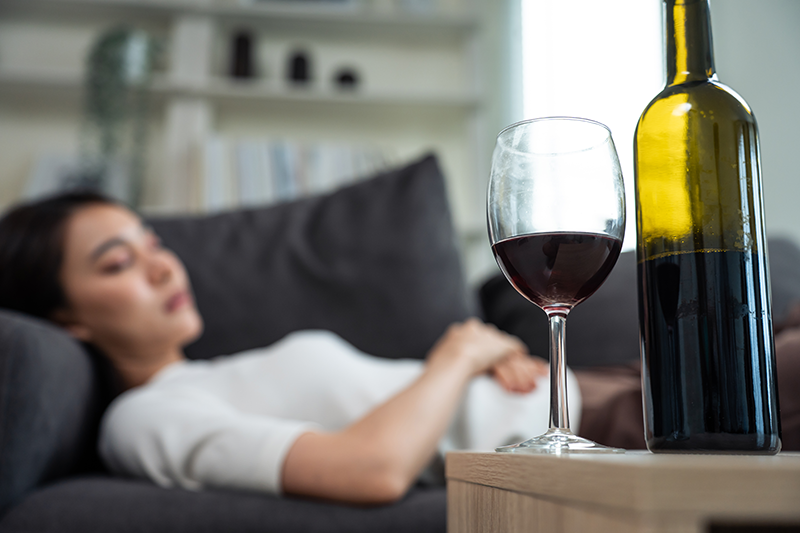
Alcohol is a central nervous system depressant. While it can initially feel calming, its physiological effects are complex and often counterproductive for emotional regulation.
Short-Term Effects
- Reduced inhibition and emotional numbing
- Temporary relaxation
- Impaired judgment and decision-making
- Disrupted sleep architecture
Long-Term and Repeated Use
- Increased anxiety and depressive symptoms
- Poor sleep quality and insomnia
- Emotional instability and irritability
- Reduced stress tolerance
- Worsening of existing mental health conditions
According to the NIAAA, alcohol interferes with neurotransmitters involved in mood regulation, including serotonin and dopamine. Over time, this disruption can make it harder to experience pleasure, regulate emotions, or manage stress without alcohol.
For individuals with anxiety or depression, alcohol often worsens symptoms — even if it initially feels helpful. Mental health professionals frequently observe that people who rely on alcohol for emotional relief experience greater mood swings and slower recovery.
Holiday Drinking and Sleep
Sleep disruption is one of the most overlooked consequences of holiday drinking.
While alcohol can make people feel drowsy and help them fall asleep faster, it significantly reduces sleep quality. Alcohol suppresses REM sleep and causes frequent awakenings later in the night, leading to:
- Fragmented sleep
- Early waking
- Increased fatigue
- Heightened emotional reactivity the next day
Poor sleep is closely linked to increased anxiety, irritability, and depressive symptoms. During an already stressful season, alcohol-related sleep disturbance can magnify emotional vulnerability.
The CDC notes that even moderate drinking can impair sleep quality, particularly when alcohol is consumed close to bedtime.
When Holiday Drinking Becomes a Problem
Problematic drinking doesn’t always look extreme. Many people who struggle with alcohol appear functional, successful, and socially engaged. The warning signs are often subtle and internal.
Emotional and Psychological Signs
- Drinking primarily to manage emotions or stress
- Feeling uncomfortable or anxious at events without alcohol
- Thinking frequently about when or how much you’ll drink
- Feeling guilt, shame, or regret after drinking
Behavioral Signs
- Drinking more than intended
- Difficulty stopping once you start
- Needing more alcohol to achieve the same effect
- Using alcohol to fall asleep or “wind down” regularly
Functional Impact
- Alcohol interfering with work, parenting, or relationships
- Increased irritability or emotional volatility
- Declining motivation or focus
- Increased conflict with loved ones
According to the Substance Abuse and Mental Health Services Administration (SAMHSA), these patterns may indicate Alcohol Use Disorder (AUD) — a medical condition that exists on a spectrum and does not require daily drinking or severe consequences to be present.
 Binge Drinking During the Holidays
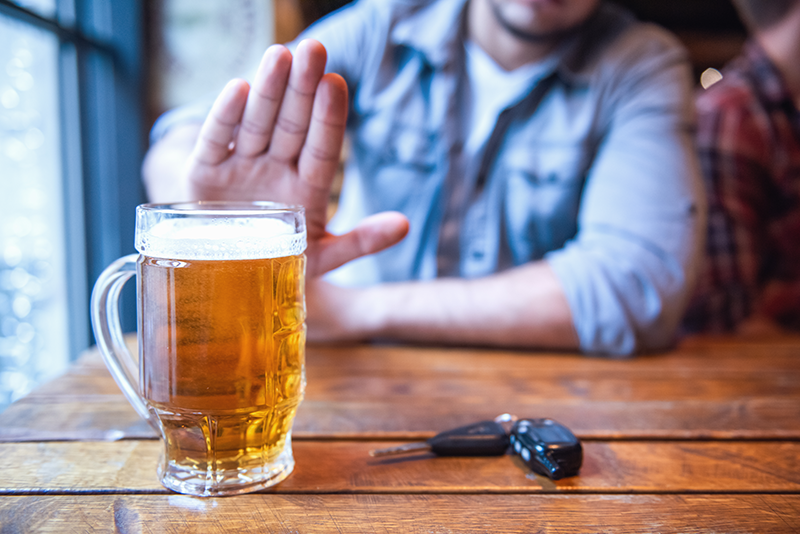
Binge drinking is especially common during holiday celebrations. The NIAAA defines binge drinking as:
- 4 or more drinks for women, or
- 5 or more drinks for men,
within about two hours
Binge drinking increases risks of:
- Injuries and accidents
- Alcohol poisoning
- Impaired judgment
- Emotional dysregulation
- Worsened anxiety and depression
Even occasional binge episodes can strain mental and physical health, particularly during periods of high stress.
Why It Can Be Hard to Notice a Problem During the Holidays
Holiday drinking is often socially reinforced. When heavy drinking is normalized or expected, it becomes harder to recognize when personal use is unhealthy. People may dismiss concerns by telling themselves:
- “It’s just the holidays.”
- “Everyone drinks more this time of year.”
- “I’ll cut back in January.”
While these thoughts are common, they can delay awareness of patterns that deserve attention — especially when drinking continues beyond the holiday season or becomes emotionally necessary.
Mental health professionals emphasize that intent and impact matter more than timing. If alcohol is consistently being used to manage emotional distress, it’s worth examining — regardless of the season.
A Mental Health–Informed Approach to Holiday Drinking
A mental health approach to alcohol use prioritizes self-awareness, emotional honesty, and compassion — not shame or rigid rules.
Helpful reflection questions include:
- Why am I reaching for a drink right now?
- What emotion am I trying to change or avoid?
- How do I feel the day after drinking?
- Does alcohol help me cope — or make things harder later?
Mindful drinking doesn’t necessarily mean abstinence. It means making choices based on emotional wellbeing rather than habit or pressure.
 Healthier Ways to Cope With Holiday Stress
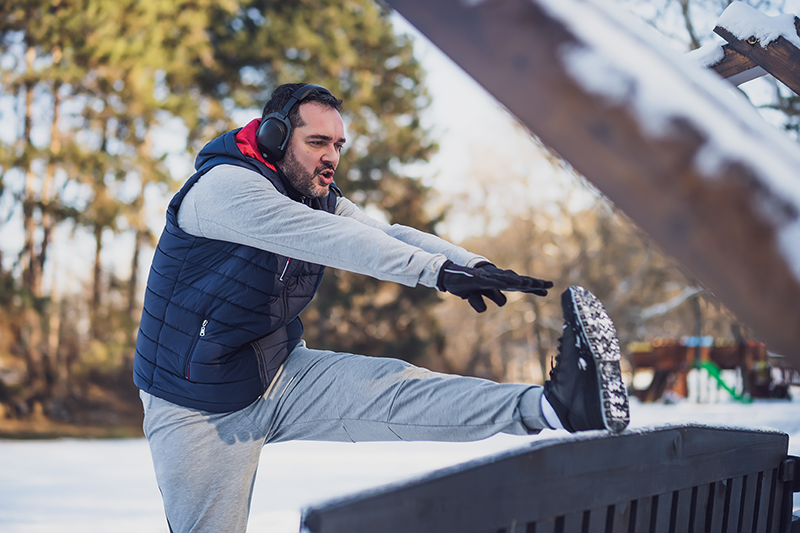
If alcohol has become a default coping tool, replacing it — even occasionally — with other strategies can improve mental health resilience.
Evidence-based alternatives include:
- Physical activity, which reduces stress hormones
- Mindfulness or grounding exercises
- Creative outlets such as writing or music
- Setting boundaries around obligations and events
- Talking openly with a therapist or trusted person
The CDC emphasizes that developing non-substance coping strategies significantly reduces the risk of alcohol-related harm and improves emotional regulation.
When to Seek Help
If drinking feels difficult to control, emotionally necessary, or distressing, professional support can help. Many people benefit from therapy focused on:
- Stress management
- Anxiety or depression
- Habit change
- Trauma-informed care
Seeking help is not a failure — it’s a proactive step toward wellbeing.
Final Thoughts
The holidays can be both joyful and challenging. Alcohol often sits at the intersection of celebration and coping, offering temporary relief while quietly complicating mental health. Understanding your relationship with alcohol — especially during emotionally intense seasons — is a powerful act of self-care.
Whether you drink, drink occasionally, or are questioning your use, paying attention to why you drink matters more than how it looks on the surface. A holiday season that supports mental health isn’t defined by perfection or abstinence — it’s defined by awareness, balance, and compassion toward yourself.
Sources
-
Centers for Disease Control and Prevention (CDC), 2024. Alcohol and Public Health
-
National Institute on Alcohol Abuse and Alcoholism (NIAAA), 2024. Rethinking Holiday Drinking & Mental Health
-
Substance Abuse and Mental Health Services Administration (SAMHSA), 2024. Alcohol Use Disorder Overview & Support
-
PubMed, 2024. Coping-Motivated Drinking and Mental Health Outcome